Featured
Why Credit History are Changing for Regional Debtors
How to Negotiate Lower Rate Of Interest With Your Creditors
Stopping Foreclosure Sales Utilizing 2026 Customer Protec...

How to Negotiate Lower Rate Of Interest With Your Creditors
Table of Contents
Understanding the Modern Design of 2026 Credit Reports
Reading a credit report in 2026 includes navigating a more intricate array of data than previous generations encountered. While the three-digit rating remains a fast recommendation point, the underlying information provide the genuine story of monetary health. Many reports are now divided into distinct sections that track whatever from traditional loan repayments to alternative information like repeating membership services and rental history. For locals in the local area, keeping a close eye on these details is the main defense against identity theft and clerical mistakes.The recognition section remains the very first difficulty. It contains names, addresses, and employment history. In 2026, it is common to see multiple variations of a name or previous addresses from across the region. Disparities here are typically the very first indication of merged files or deceitful activity. Beyond basic ID, the report notes tradelines, which are the individual accounts held with creditors. Each tradeline shows the date opened, the credit line or loan amount, the current balance, and a 2026 payment status.
Consumer Rights and Monitoring in Your Region
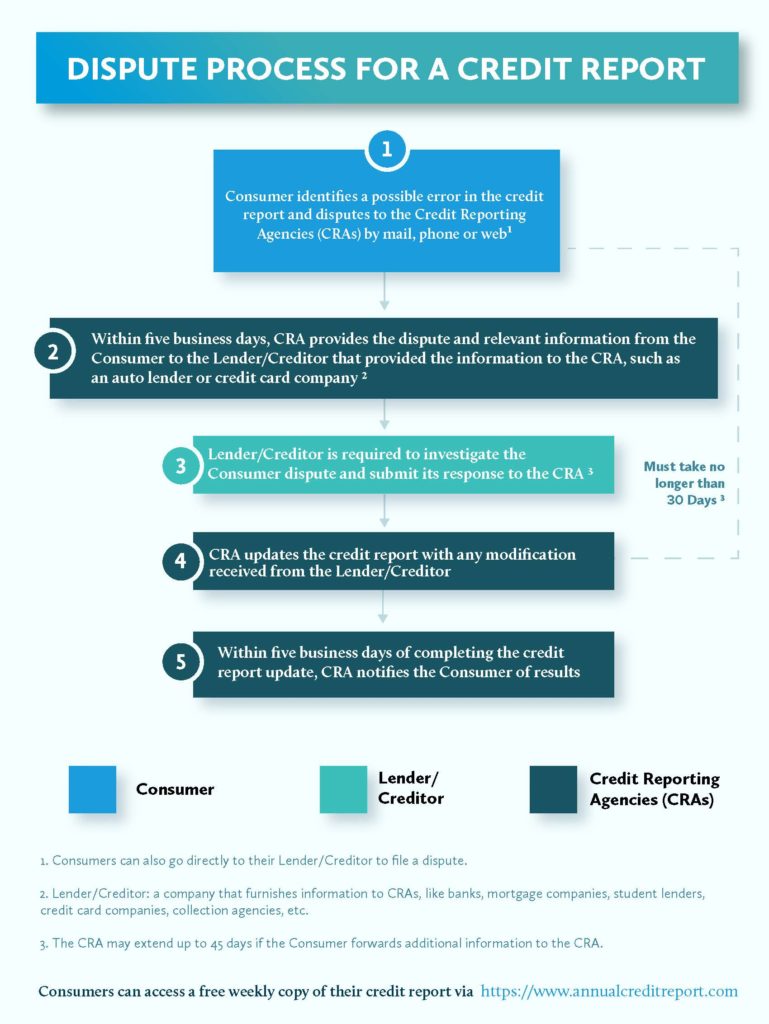
Federal securities have actually broadened to fulfill the needs of a digital-first economy. Every customer in the United States preserves the right to challenge any info that is not accurate, complete, or verifiable. Under upgraded guidelines, credit bureaus should examine these claims within a particular window, typically thirty days. Interest in Credit Counseling has actually grown as information security ends up being a leading concern for those keeping an eye on these files.Monitoring is no longer a passive activity performed once a year. In 2026, weekly access to reports has actually ended up being the standard for preserving a precise profile. This frequency enables people to catch unapproved queries-- demands made by loan providers to see a file-- before they result in fraudulent accounts. High numbers of "difficult" questions can reduce a rating, while "soft" questions, such as those utilized for pre-approved offers, do not impact the total. Nonprofit Credit Counseling Services provides the necessary oversight for those seeking to enhance their standing before applying for major loans.
Recognizing and Contesting Inaccuracies
Mistakes on a credit report can range from a misspelled street name in your neighborhood to a paid-off debt looking like overdue. When a mistake is discovered, the dispute procedure need to be initiated with both the credit bureau and the particular financial institution that offered the info. Keeping records of all correspondence is a requirement for an effective resolution. Documents such as bank statements from earlier in 2026 or "paid completely" letters works as evidence throughout these investigations.The impact of a single mistake is substantial. A late payment reported in error can drop a rating by dozens of points, possibly resulting in greater insurance premiums or rejected rental applications. Homeowners frequently look for Debt Consolidation in Baltimore when they encounter consistent errors on their month-to-month declarations that the bureaus stop working to correct.
The Role of Nonprofit Credit Therapy in 2026
For those having a hard time with the contents of their report, Department of Justice-approved 501(c)(3) nonprofit agencies provide a course towards stability. These organizations offer free credit counseling and HUD-approved housing therapy. They run nationwide, ensuring that people in any given area have access to expert assistance without the high costs connected with for-profit repair work companies.One of the most effective tools offered by these nonprofits is the debt management program. This program combines various monthly commitments into a single payment. Agencies negotiate with lenders to reduce interest rates, which helps the participant pay for the primary balance much faster. This methodical technique shows up on a 2026 credit report as a series of on-time payments, which is the most prominent element in a credit rating.
Financial Literacy and Debt Management
A credit report is a reflection of past behavior, however financial literacy education helps form future outcomes. Numerous community groups and banks partner with nonprofits to provide workshops on budgeting and financial obligation decrease. These programs are tailored to the specific economic conditions of the surrounding area, assisting consumers comprehend how to manage inflation and shifting interest rates.Pre-bankruptcy therapy and pre-discharge debtor education are also mandatory steps for those forced to look for legal financial obligation relief. These sessions ensure that individuals understand the long-term repercussions of insolvency on their credit report and discover the skills needed to rebuild after the process is finished. By focusing on education instead of simply quick fixes, these firms assist create lasting financial stability.
Preserving Long-Term Credit Health
Achieving a high credit rating in 2026 requires a mix of discipline and routine maintenance. Utilizing less than 30% of readily available credit line, a concept called credit usage, stays a key technique. If a credit card in the local market has a limitation of $5,000, keeping the balance below $1,500 is normally encouraged. Furthermore, the age of accounts matters; keeping older accounts open, even if they are not utilized often, helps increase the typical length of credit history.Strategic credit structure also involves diversifying the kinds of accounts on a report. A healthy mix may include a mortgage, an automobile loan, and a couple of revolving credit cards. In 2026, some bureaus also consider "boost" information, where consumers opt-in to consist of energy and phone payments in their rating estimation. This is particularly useful for more youthful people or those in diverse communities who are simply starting to develop their financial footprint.Regularly translating the information of a credit report ensures that a consumer is never ever shocked by a loan rejection. By understanding the information, working out legal rights to accuracy, and utilizing not-for-profit resources when debt ends up being unmanageable, people can preserve control over their financial credibilities throughout 2026 and beyond.

Latest Posts

What the New Credit Transparency Laws Mean for You
Why Credit History are Changing for Regional Debtors
How to Negotiate Lower Rate Of Interest With Your Creditors